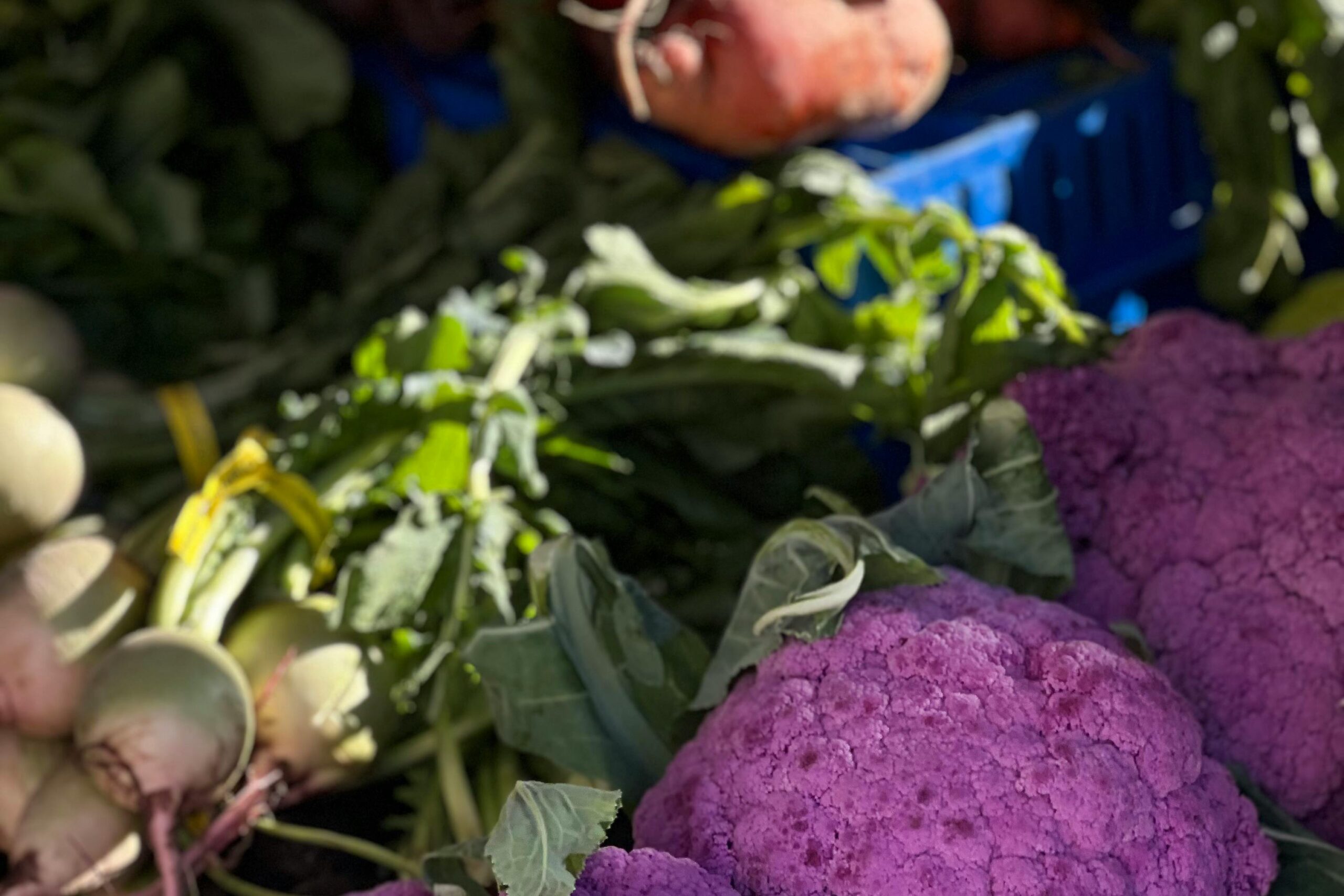
Growing your own vegetables can be a rewarding and fulfilling experience. Not only do you get to enjoy the fruits of your labor, but you also have the opportunity to cultivate fresh, organic produce right in your backyard. However, to achieve the best results, it’s essential to understand which vegetables are best suited for each season. In this guide, we’ll explore the best vegetables to grow in spring, summer, fall, and winter, ensuring you have a bountiful harvest all year long.
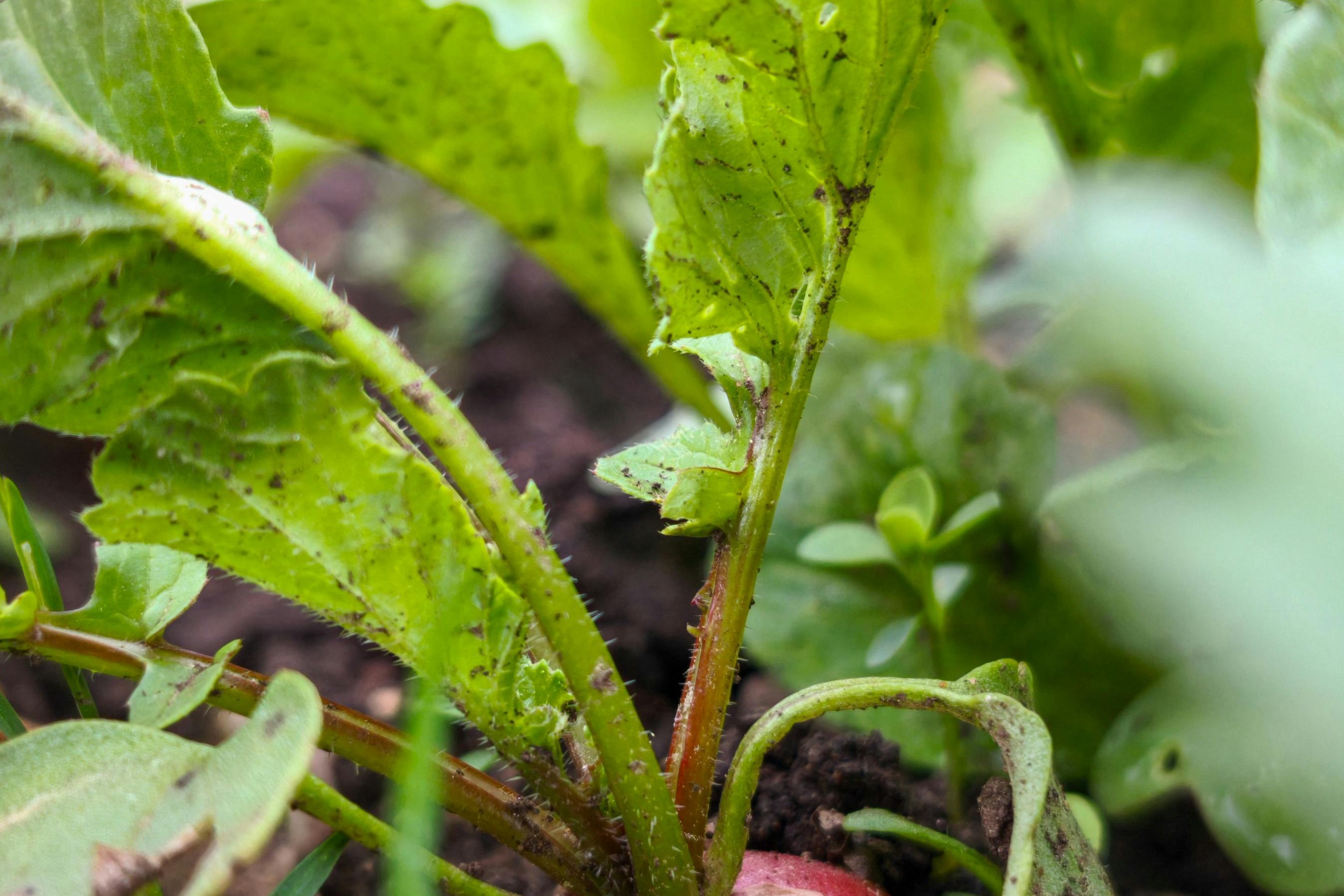
Spring Vegetables
As the frost melts away and the days grow warmer, spring is the perfect time to plant cool-season crops. Vegetables such as peas, radishes, and lettuce thrive in the cooler temperatures of early spring. Other great options include spinach, kale, and broccoli. These crops can be sown directly into the ground or started indoors and transplanted once the weather is suitable. Spring is all about rejuvenation, and these vegetables will flourish as the soil warms up.
Summer Vegetables
With the arrival of summer, the heat begins to rise, and so does the variety of vegetables you can grow. This season is ideal for tomatoes, peppers, and cucumbers, which all love the sun and thrive in warm weather. Other popular summer vegetables include zucchini, eggplant, and beans. When planting in the summer, ensure that you water your plants adequately, as the heat can dry out the soil quickly. Consider using mulch to help retain moisture and regulate soil temperature.
Fall Vegetables
As the temperatures start to cool down, fall is a fantastic time to plant a new batch of vegetables. Crops such as carrots, beets, and turnips can be sown in late summer or early fall for a late harvest. Additionally, brussels sprouts and cabbage grow well in the cooler fall temperatures. These vegetables often taste sweeter after a frost, making them ideal for harvest during this season. It’s important to keep an eye on the weather and be ready to cover your crops if an early frost is forecasted.
Winter Vegetables
While many people think that gardening comes to a halt in winter, there are still several vegetables that can be grown during this time. Garlic, onions, and shallots can be planted in the fall and harvested in the spring. You can also grow kale and collard greens in cold frames or greenhouses. If you live in a milder climate, consider experimenting with winter crops, as they can offer a unique challenge and the reward of fresh produce even in the colder months.
In conclusion, understanding which vegetables to plant in each season is crucial for achieving an optimal harvest. By following the guidelines in this seasonal vegetable guide, you can enjoy a diverse array of fresh produce throughout the year. Happy gardening!




Leave a Reply to Bob Cancel reply